NextGen AI Studio · Summer 2026

2026 Student Projects

Nine applications developed during the 2026 NextGen AI Studio. Explore the interfaces, team credits, project demonstrations, and direct project links.

View projects
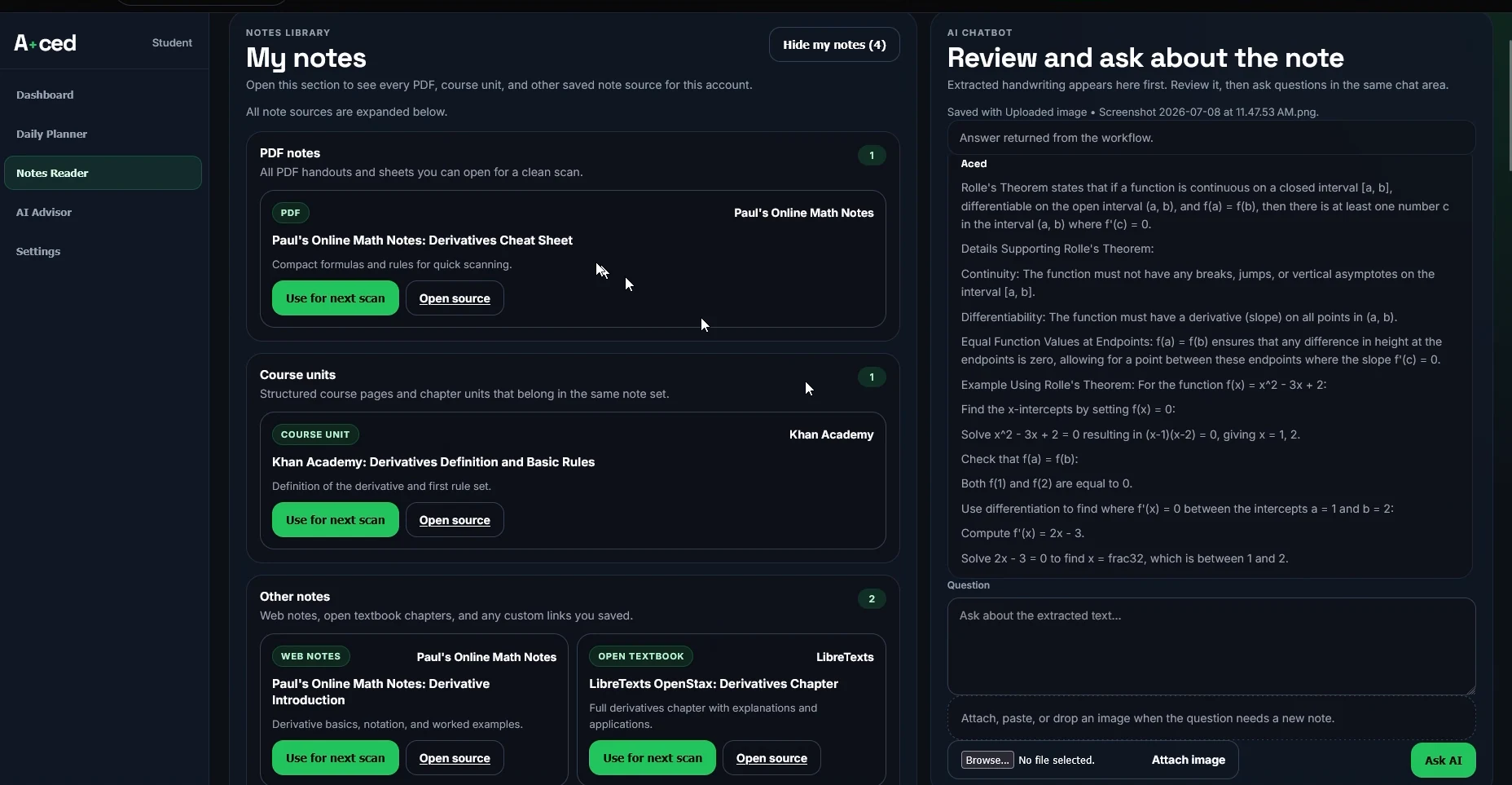
Aced: AI review grounded in a saved note
AI review grounded in a saved note

01Student learning

Aced

Academic manager for notes, guided tutoring, daily planning, and assignment organization.

Meet the teamAarush Panga, Srihaas Yeluri, Sid Patsamatla, and Atharv Manayamkath

Team perspective

Our long-term goal is to become the operating system for student success — helping students not just stay on top of their work, but actually achieve their academic aspirations.

Team presentation
Project bio
  • Automation Workflows. Handwritten-note transcription and the AI advisor each run as their own n8n workflow the app calls out to.
  • Database Management. Supabase Auth with per-student access rules, verified so that one account can never reach another's schedule, notes, or chat.
  • API Integration. Per-student Google Calendar OAuth for two-way schedule sync.
Built withn8n · Supabase · Google Calendar API

TechniquesHandwritten-note transcription · AI advisor chat · Daily planner and assignment tracking

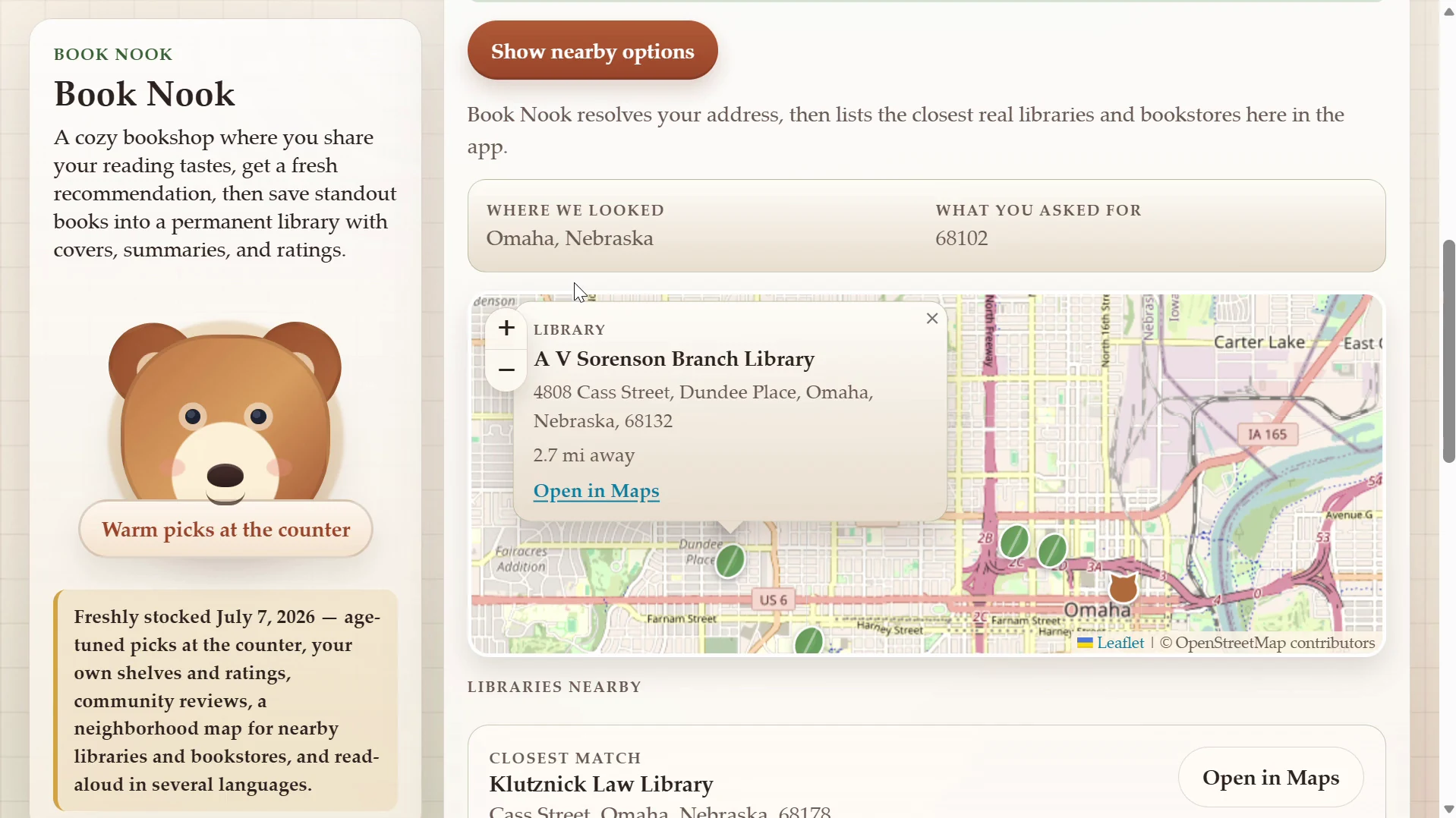
Book Nook: Nearby libraries and bookstores on a live map
Nearby libraries and bookstores on a live map

02Reading discovery and community

Book Nook

Personalized book discovery across recommendations, community reviews, libraries, and nearby bookstores.

Meet the teamKeshav Nair, Lilly Robson, and Kenzo Harris

Team perspective

We built this to expand literacy — wider access to diverse books, encouraging readers to explore new genres, and supporting lifelong learning. And because we connect readers to local bookstores and libraries instead of just selling them a book, we help small businesses get discovered too, not just Amazon.

Team presentation
Project bio
  • Automation Workflows. Stella, the recommendation chat, runs on an n8n workflow that searches several book sources at once.
  • API Integration. Leaflet and OpenStreetMap for the nearby map, Photon for keyless geocoding, and Open Library as the catalog fallback.
  • Database Management. Reader memory — history, ratings, library, community shelf — through Supabase database functions.

Built withn8n · Supabase · Leaflet + OpenStreetMap · Open Library

TechniquesConversational recommendation · Community shelf and ratings · Nearby library and bookstore search

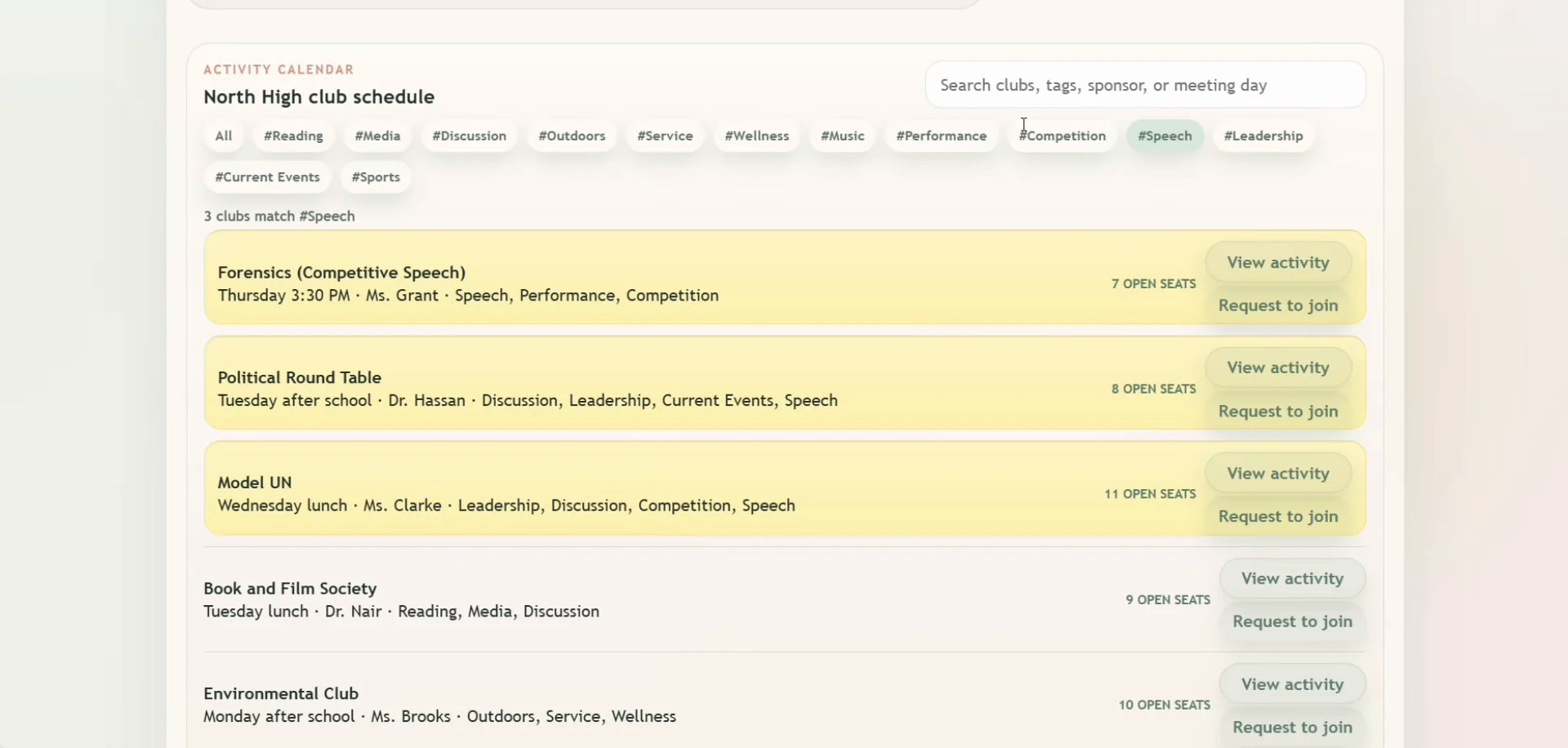
Club Connected: Filtered club and activity discovery
Filtered club and activity discovery

03Student organizations and activities

Club Connected

District-aware club discovery, joining, and management for students and organizers.

Meet the teamBrooke Samson, Briley Romero, Jacob Langstraat, and Jenna Griffis

Team perspective

We built this as students who couldn’t find our own school’s clubs — but the real fix has to work for the district too, since it’s their activities directors who decide whether every student actually gets access.

Team presentation
Project bio
  • Database Management. A real relational schema behind the directory — schools, clubs, memberships, attendance — kept consistent as students join, leave, and check in to meetings.
  • Project Planning. Three distinct roles, each with its own pages, permissions, and landing screen: student member, club leader, and district activities director.
  • Front-End Development. The calendar, the match queue, and the leader workspace are all their own code, written by hand with no framework doing the work for them.

Built withVite · Supabase · n8n

TechniquesFiltered activity discovery · Keyword-based club-fit matching · Role-scoped district access

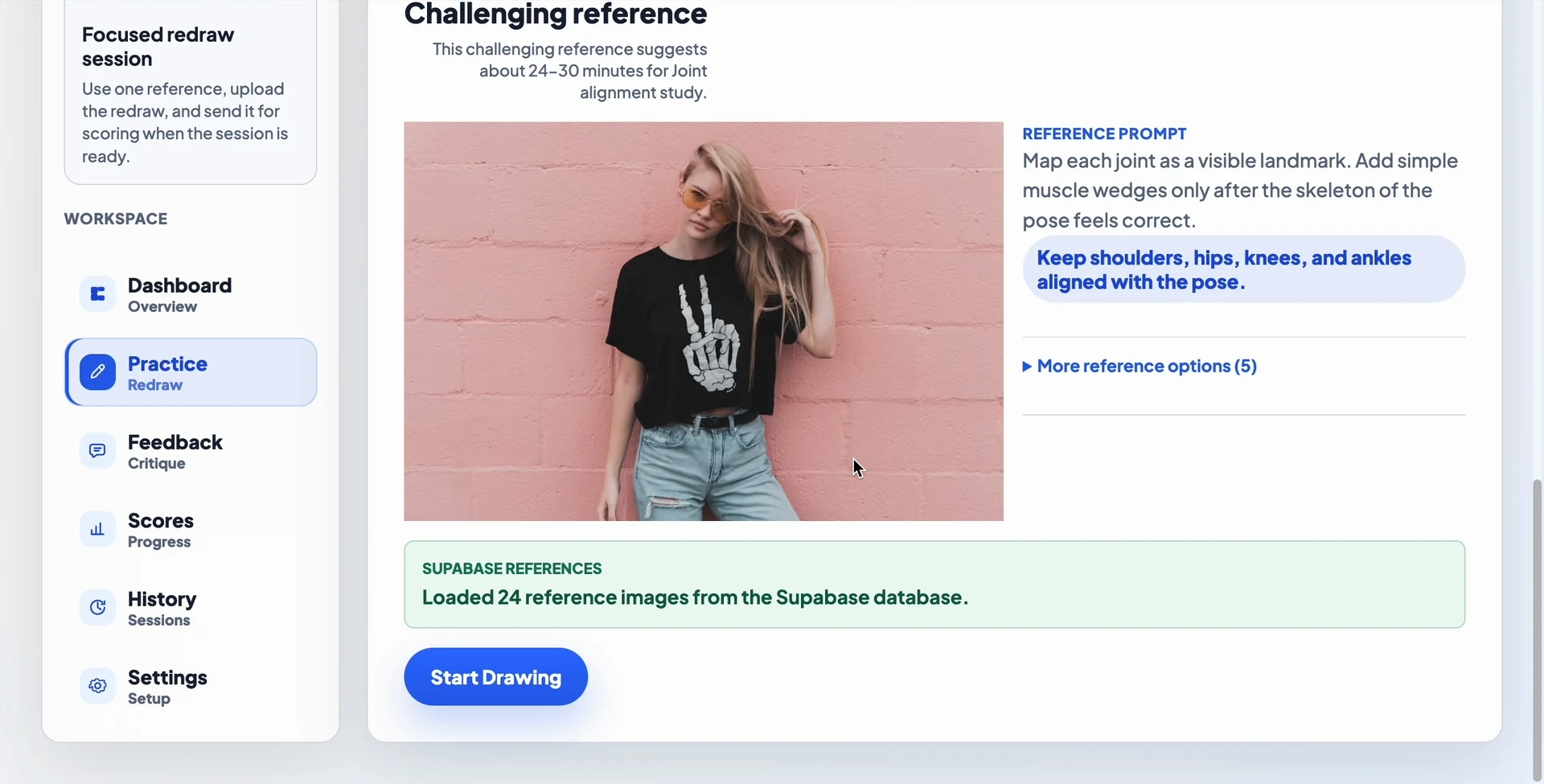
Drawing Scope: Challenge reference and drawing prompt
Challenge reference and drawing prompt

04Creative practice and AI feedback

Drawing Scope

A plan–draw–review practice loop with AI-guided critique for figure drawing.

Meet the teamNathan Yeh and Earmias Biazen

Team perspective

As a beginner artist myself, I often see lacking opportunities to improve online. How do I improve my structure? How can I improve the way I invoke the gesture in my drawings?

Team presentation
Project bio
  • Computer Vision Basics. A vision model reads the redraw against its reference and scores gesture, construction, proportion, and anatomy separately.
  • Prompt Engineering. A 70-line critique prompt that has to return a score out of 100 per skill, plus one strength and one thing to fix.
  • Front-End Development. The redraw surface is the browser's own Canvas API, with practice history kept in local storage.

Built withCanvas API · n8n · GPT-4o vision

TechniquesPer-skill critique scoring · Plan–draw–review practice loop · Bundled 16-photo reference library

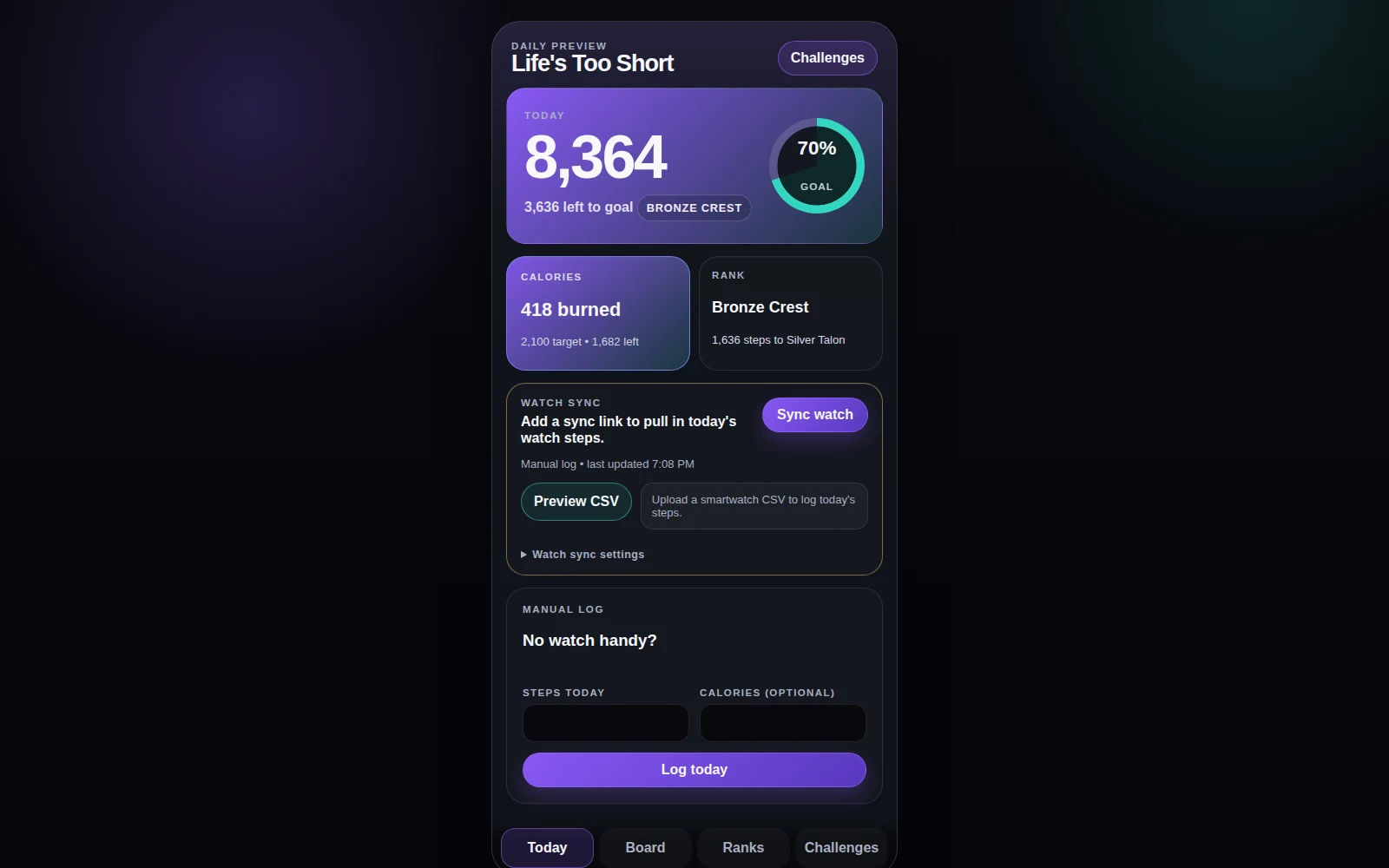
Life’s Too Short: Logged steps, calories, goal progress, and rank
Logged steps, calories, goal progress, and rank

05Activity and wellness

Life’s Too Short

Daily activity logging shaped as a social, game-informed wellness experience.

Meet the teamBryson Kittelmann and Jacob Terwilliger

Team perspective

Studies have shown that a person’s physical activity may increase by up to 23% when in a competitive setting. Making our app a game will activate the competitive side of people’s friends, so they’ll see how far behind or ahead of others they are.

Team presentation
Project bio
  • Automation Workflows. Smartwatch step data arrives through an n8n webhook the user pastes into the app's own settings — nothing to configure at build time.
  • Database Management. Supabase carries optional sign-in, cross-device history, friends, and the three leaderboards.
  • Testing. A Vitest suite covering the step log, auth, sync, leaderboard, and friends services.

Built withVite · Supabase · n8n · Vitest

TechniquesWatch sync, CSV import, or manual entry · Rank tiers and social leaderboard · Full guest mode with no account

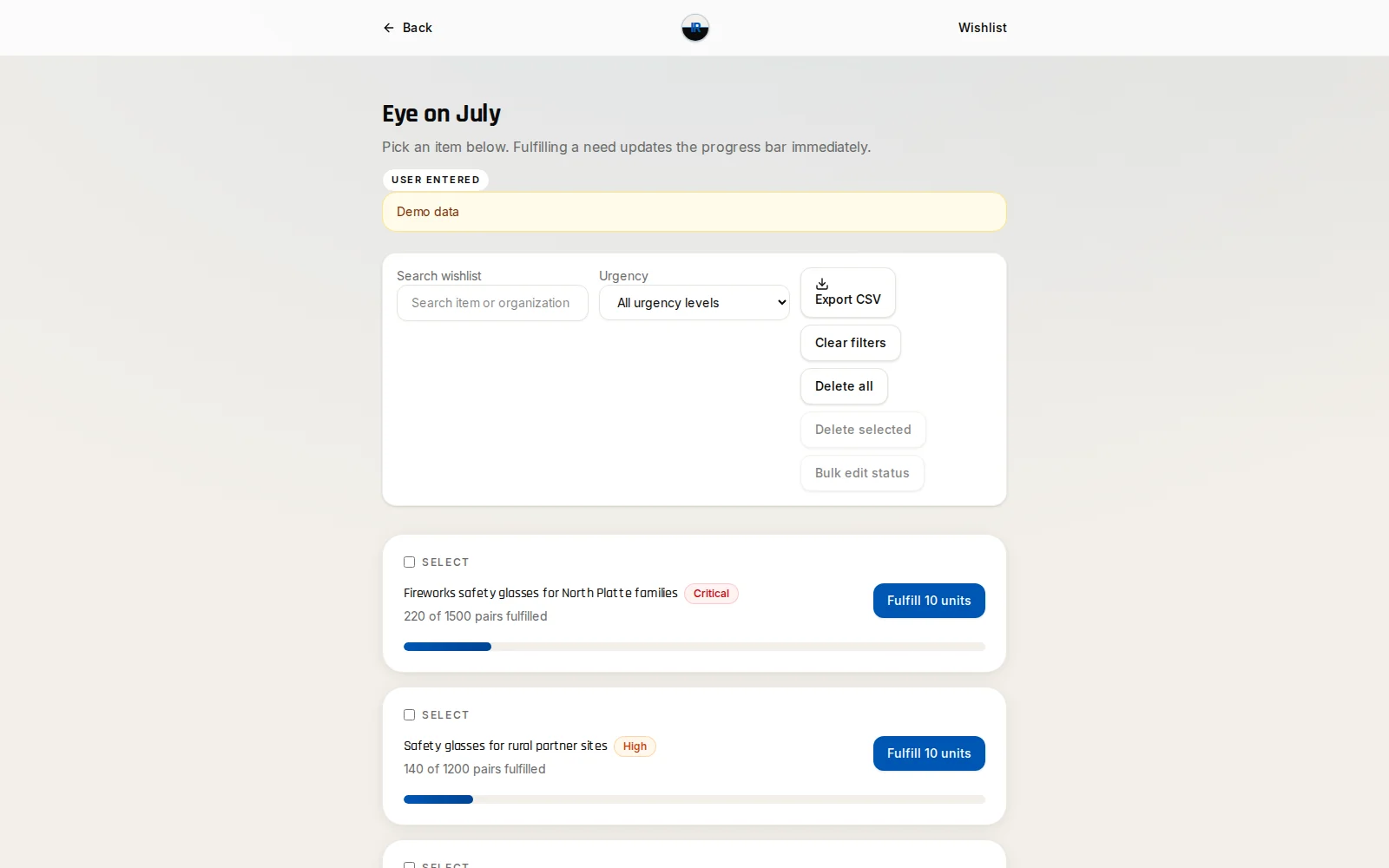
Impact Reach: Public wishlist with item urgency and fulfillment actions
Public wishlist with item urgency and fulfillment actions

06Community outreach

Impact Reach

Outreach support for community organizations, public wishlists, and nonprofit operations.

Meet the teamRishi Chundury and Reeya Chundury

Team perspective

Nonprofits carry heavy responsibilities but have few resources to track them. We built Impact Reach to close that gap — connecting inventory, needs, and volunteers in one place.

Team presentation
Project bio
  • Front-End Development. The only project in the cohort built on Next.js and React in TypeScript, styled with Tailwind.
  • API Integration. Google sign-in through NextAuth, and react-leaflet for the real-time need map.
  • Data Visualization. Recharts drives the command-center KPIs, demand forecasting, and impact reports.

Built withNext.js · Supabase · NextAuth · Leaflet · Recharts

TechniquesPublic wishlist operations · Volunteer and surplus matching · Spatial analysis of underserved areas

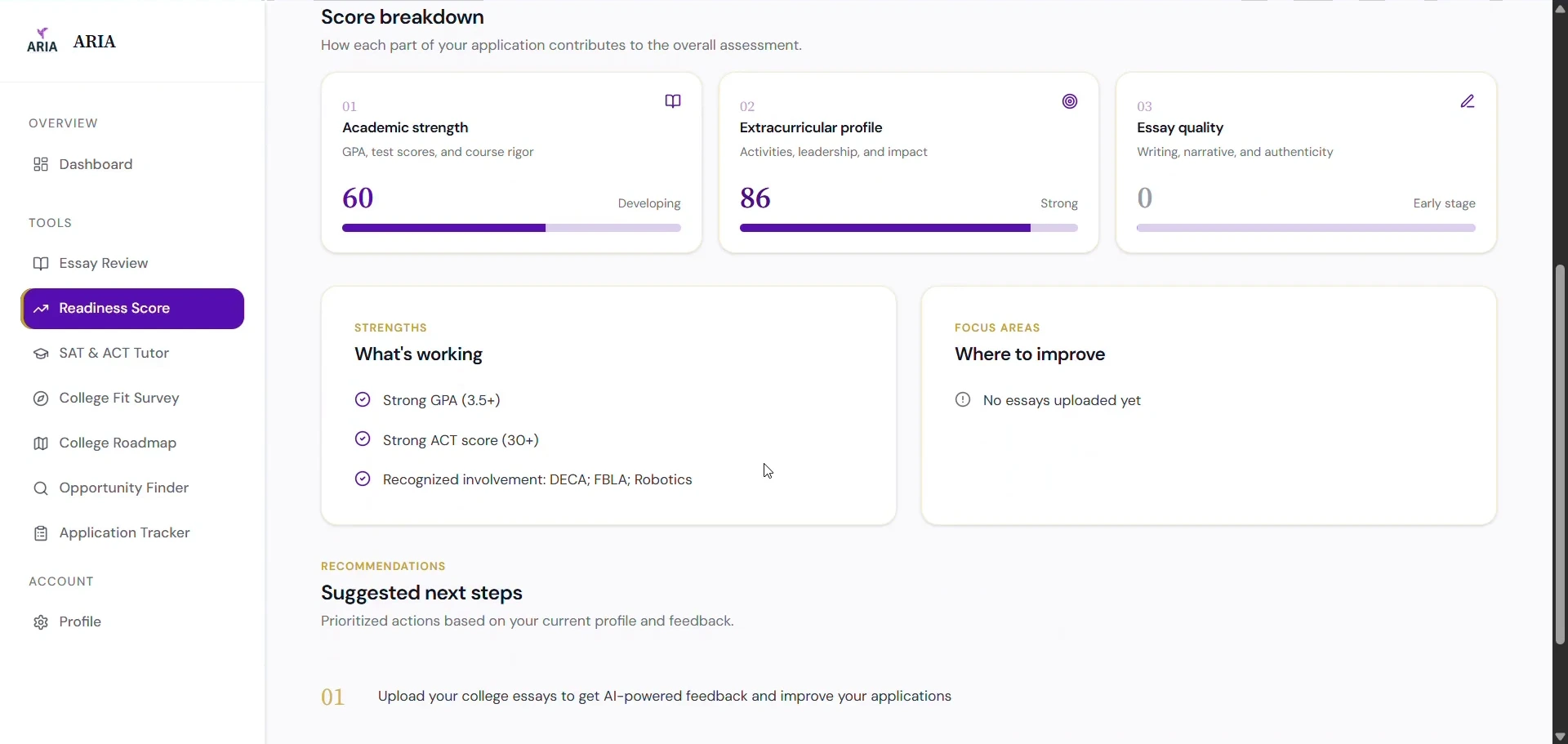
ARIA: Application readiness score breakdown
Application readiness score breakdown

07College readiness

ARIA

College-planning and admissions guidance built around readiness, matching, and opportunity discovery.

Meet the teamAbhirup Koduru and Rehan Jalali

Team perspective

The average school counselor deals with roughly 376 students, making personalized guidance quite difficult.

Team presentation
Project bio
  • Data Modeling. The readiness score is their own weighted model, computed from the student's profile — so every number on the breakdown screen traces back to something the student actually entered.
  • Project Planning. Four capabilities scoped as independent modules — readiness, college matching, admissions intelligence, and roadmap guidance — so each could be built and tested on its own.
  • Database Management. A structured college dataset that the match view and the opportunity finder both read from.

Built withVite · Modular JSON architecture · Structured college dataset

TechniquesWeighted readiness scoring · Interest-profile college matching · Scholarship and internship search

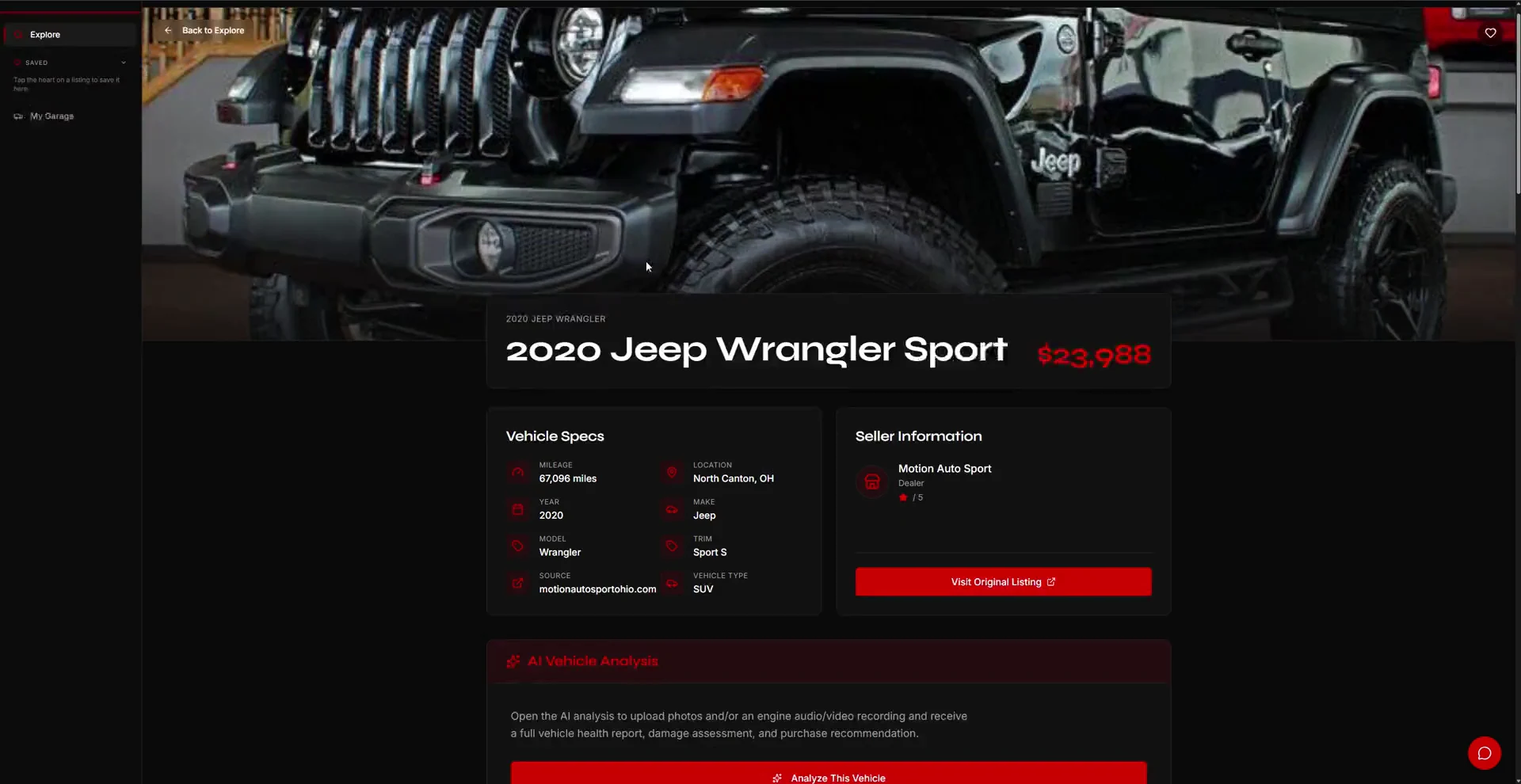
RevOS: Vehicle listing with specifications and seller details
Vehicle listing with specifications and seller details

08Automotive intelligence

RevOS

A used-car research and ownership experience focused on vehicle health, market value, and safer decisions.

Meet the teamKrishna Penmetsa and Sarvesh Madanagopal

Team perspective

Buying a vehicle online is kind of like online dating — you see a couple of pictures, but when you meet in person there’s a couple of surprises. For used vehicles, these surprises can cost upwards of thousands of dollars.

Team presentation
Project bio
  • API Integration. NHTSA vehicle data pulled into the health report, so recalls and safety ratings sit alongside the listing itself.
  • Data Modeling. A diagnostic reference they researched and built by hand, mapping each symptom to its likely causes, repair cost, and severity.
  • Front-End Development. A digital garage that keeps each car's history between visits, so the maintenance log is still there the next time you open it.

Built withNHTSA API · Vite · Persistent digital garage

TechniquesVehicle health analysis · Symptom-to-cause diagnostics · Digital garage and maintenance log

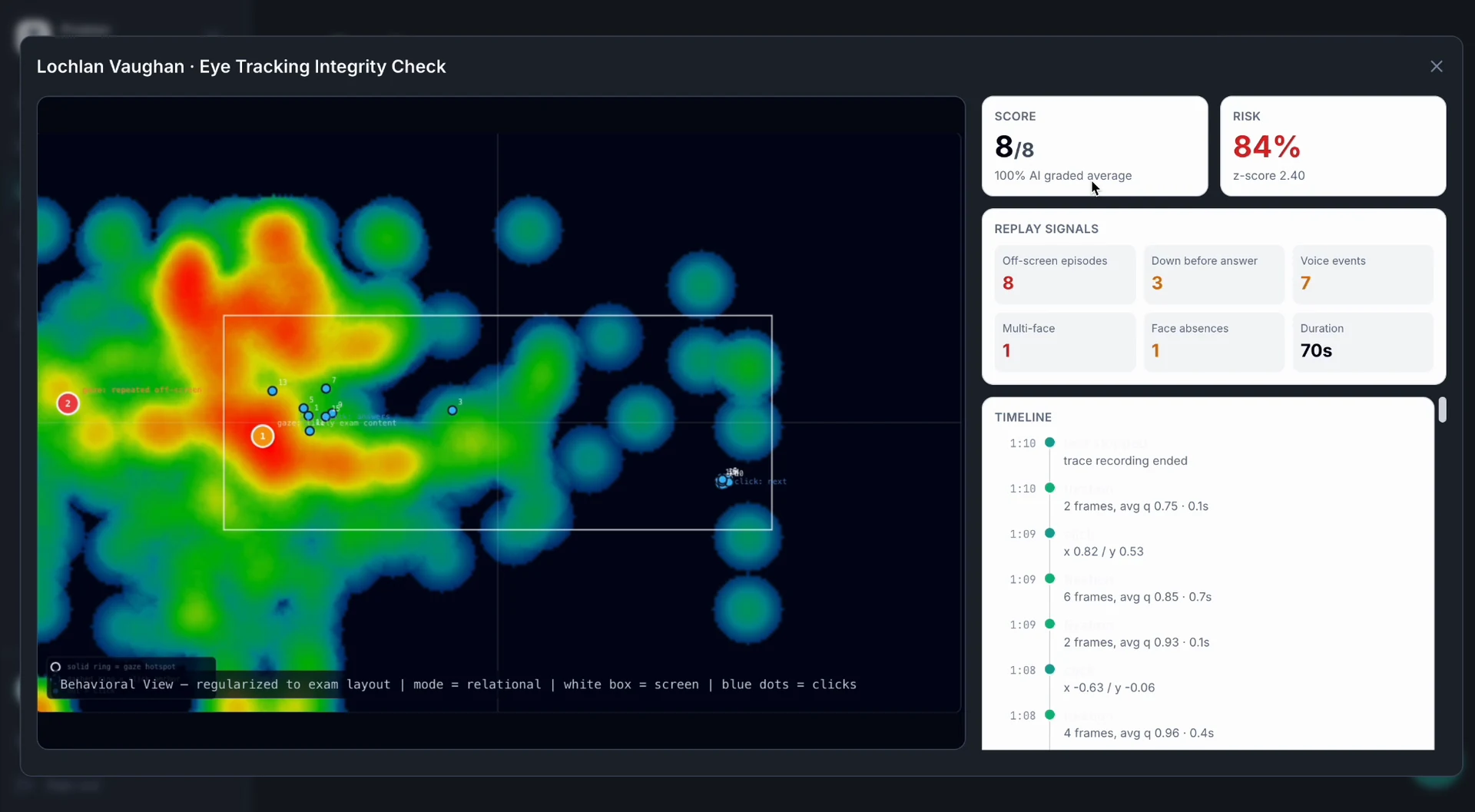
Proktor: Post-session eye-tracking heatmap and risk score
Post-session eye-tracking heatmap and risk score

09Assessment integrity

Proktor

Assessment tools for assignment setup, live proctoring, and integrity analysis.

Meet the teamJermaine Broadway, Lochlan Vaughan, Alan Guo, and Andrew Needham

Team perspective

A study came out that 50 to 70% of students in higher education cheat on exams — but only 2% of them get caught. We built Proktor to solve that.

Team presentation
Project bio
  • Computer Vision Basics. Face-landmark tracking on the webcam feed estimates where on the screen a test-taker is actually looking.
  • Data Visualization. Those gaze samples accumulate into a heatmap laid over the exam page once the session ends.
  • Database Management. Supabase, with its own migrations, for assignments, session codes, and flagged students.

Built withVite · Supabase · MediaPipe / face-api · OpenRouter

TechniquesWebcam gaze tracking · Post-session heatmap and risk score · Assignment builder and session codes

Code on request

Program attribution

NextGen AI Studio 2026

Student projects developed through AI-CCORE at the University of Nebraska at Omaha.

Each project’s code lives in a private student repository. Anyone reading this is welcome to ask for a closer look — bootcamp students get access as a matter of course, shared as a code bundle or as repository collaborator access if you have a GitHub account.